A three part-framework for looking at what’s toxic versus what’s heatlhy
I got into an argument with an old friend. A friend I’ve known since high school. In the last several years, he’d gotten pulled into the shallower end of the manosphere, and he was arguing that success as a man is about dominance. That it’s important to be better at things (like your career) other men. He used words like “competing in the marketplace and winning.”
I was countering that, a part of masculinity, was competence (also called “mastery orientation”). That it’s about growing and getting better at the things that mattered to you.
He argued that we were saying the same things. That mastery and dominance are the same.
It can seem like that if we look at dominance and competence superficially. On the flip-side, once we get underneath the surface, things change.
But, from a Self-Determination Theory (SDT) perspective, that dominance is externally focused: It’s all about other people. It’s about looking cool for other people, it’s about beating other people. It’s spending your life looking at other people to see if you’re good enough. That it’s contingent self-esteem.
Similarly, from an SDT perspective, mastery is internally focused. It’s about growing and getting better at the things that matter to you. It’s developing confidence in your own abilities, by doing hard things and getting better at them. It’s the contentment that comes from overcoming adversity and doing things consistent with your personal values.
From this SDT perspective, I sought out to do something bold (and perhaps too ambitious): construct my own model of healthy masculinity from well-being literature.
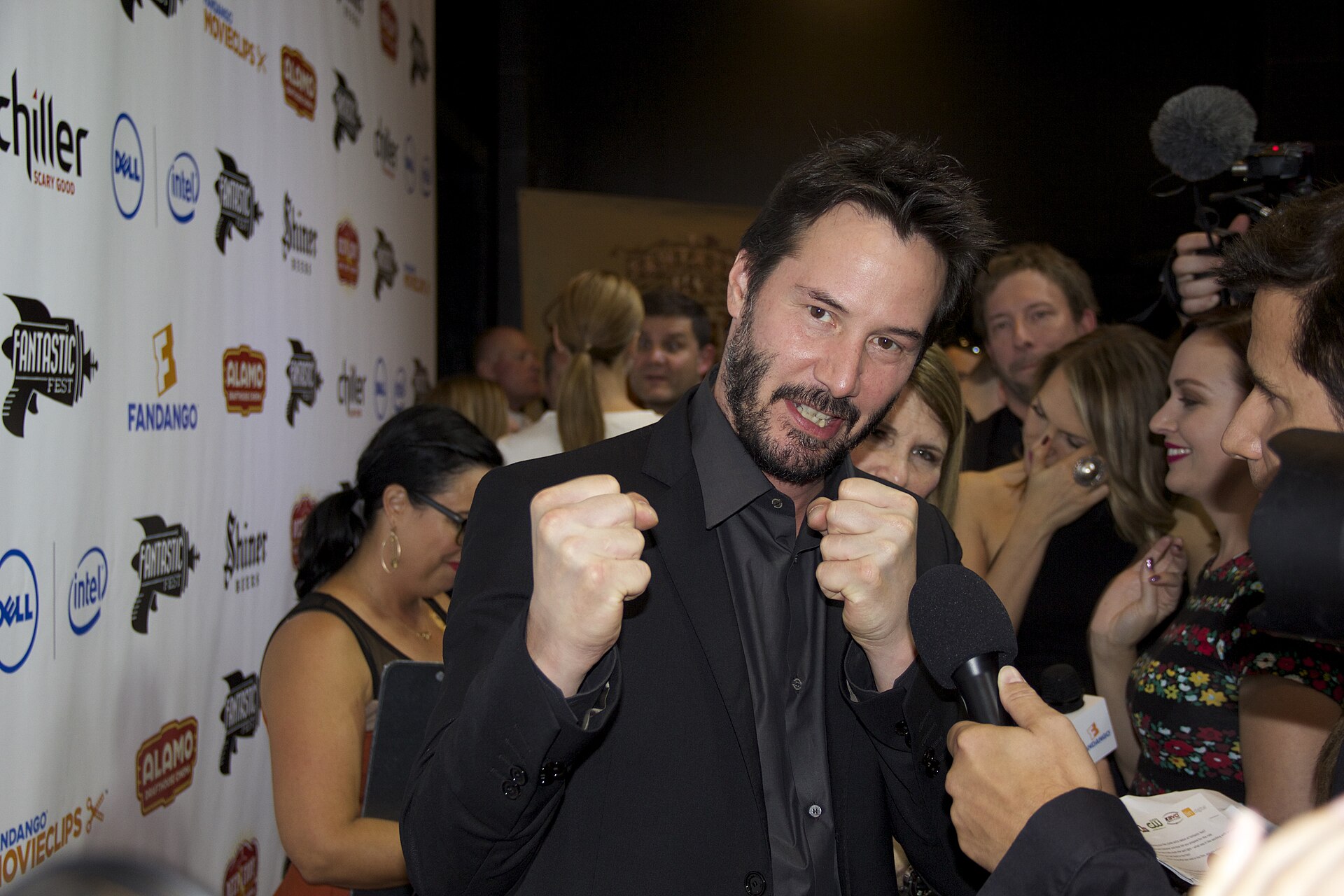
Keanu Reeves seems like a great real-life example of healthy masculinity.
Photo: Daniel Benavides. License: CC BY 2.0
Expanding The Conversation Based on Men’s Health Research
Five years ago I took a men’s health class at Metropolitan State University of Denver. That class is part of the men’s health minor at MSU Denver, one of the first academic programs studying men’s health in the nation.
One of the things we talked about and looked at research on, is how different conceptions of masculinity are related to health behavior, like eating choices. This was mostly found in research on prostate cancer, where doctors and researchers were interested in getting men who’d been diagnosed with prostate cancer to eat less meat and more fruits and vegetables.
One thing that jumped out at me, that I’d like to dig in on, is how they defined traditional masculinity, and how that gave me my framework for healthy masculinity.
What is “Traditional Masculinity” Anyway?
In the studies I read, they actually used the term “hegemonic masculinity.”
Merriam-Webster gives us the definition:
hegemony ˈhe-jə-ˌmō-nē
strong influence or authority over others : domination
The researchers defined traditional/dominance masculinity as having three components:
- Stoicism*
- Physical invulnerability
- Dominance
*Using the word stoic colloquially, not philosophically.
So, it’s a dude who suppresses their emotions, who believes masculinity is about being physically robust and can’t be hurt, and that dominates other people. The dominance part is central: All three aspects are about being better than other men (and being better than or different from women).
What is Healthy Masculinity?
People argue about what healthy masculinity is or isn’t, how best to define it or explain it. Too much of the conversation revolves around what it’s not, which is only marginally helpful.
I’m going to give you my own definition of healthy masculinity. It’s really simple: I just inverted traditional masculinity, through the lens of contextual behavioral science, mindful self-compassion, and self-determination theory.
- Emotional diversity + emotional efficacy
- Common humanity
- Mastery orientation
So, we end up with four things instead of three, but I couldn’t escape that there are two dimensions to emotions in this model of healthy masculinity.
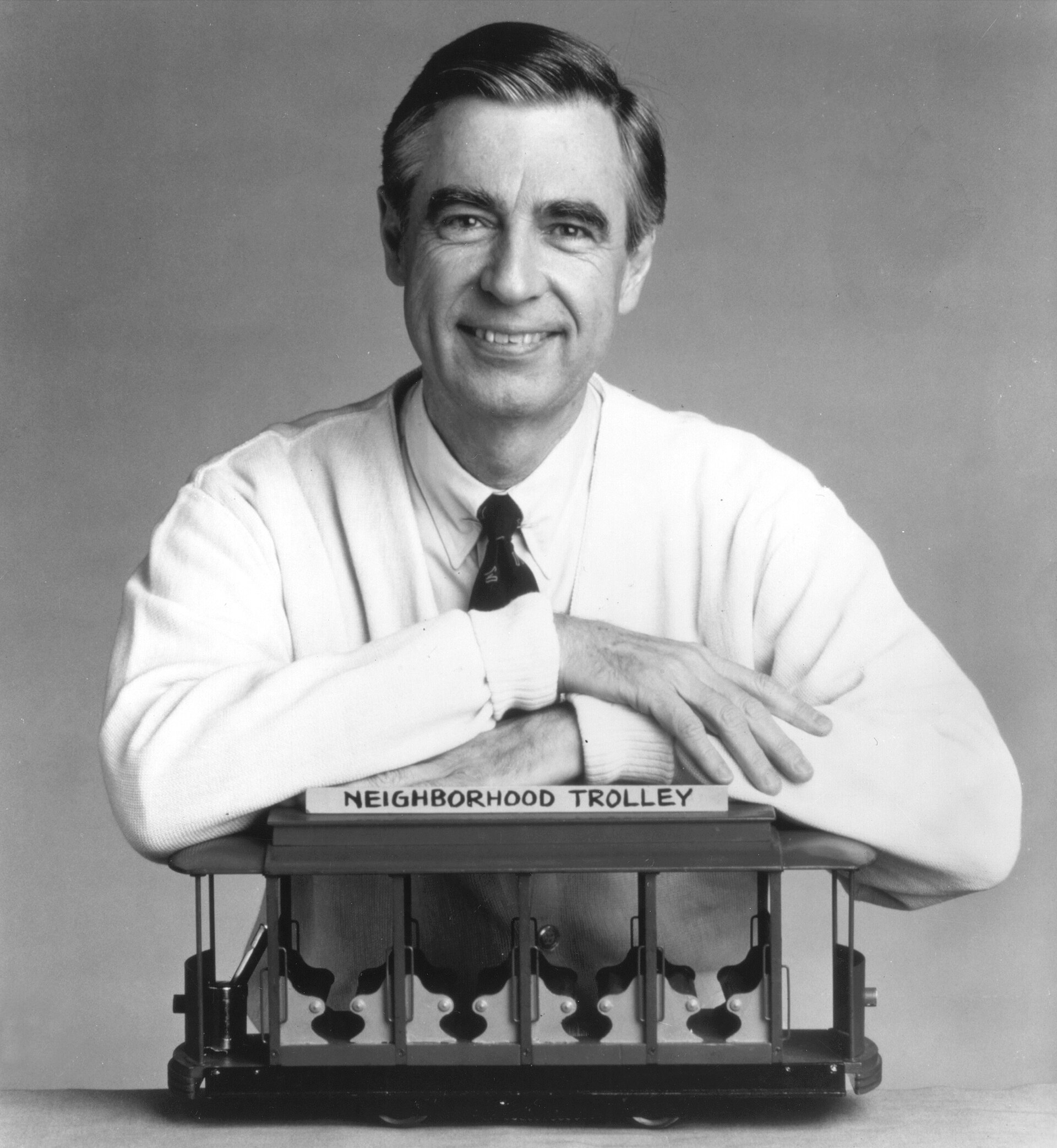
Mr. Rogers taught us that it’s ok to feel big feelings.
License: Public domain
Emotional Diversity
There’s a concept called “emodiversity” that’s based on biodiversity.
Biodiversity describes the mix of life in an ecosystem. We find that ecosystems thrive when there is a wider variety of plants and animals living in them. Not only does an ecosystem thrive under ideal conditions, but more diversity also makes it resilient it is under stress (source).
Of course we want our model of healthy masculinity to both have the potential to thrive and to be resilient under stress.
It turns out, humans are the same. Humans that have access to a wider variety of emotions and feel a wider variety of emotions have higher well-being than emotions who have access to fewer emotions (source).
This holds true regardless of if their average emotions are positive or negative (source). Emotional diversity, on it’s own, is correlated with higher well-being (source).
- Where stoicism* is about suppressing emotions,
- emotional diversity is about having access to a variety of them.
*Again, using the words “stoicism” and “stoic” colloquially, not philosophically.
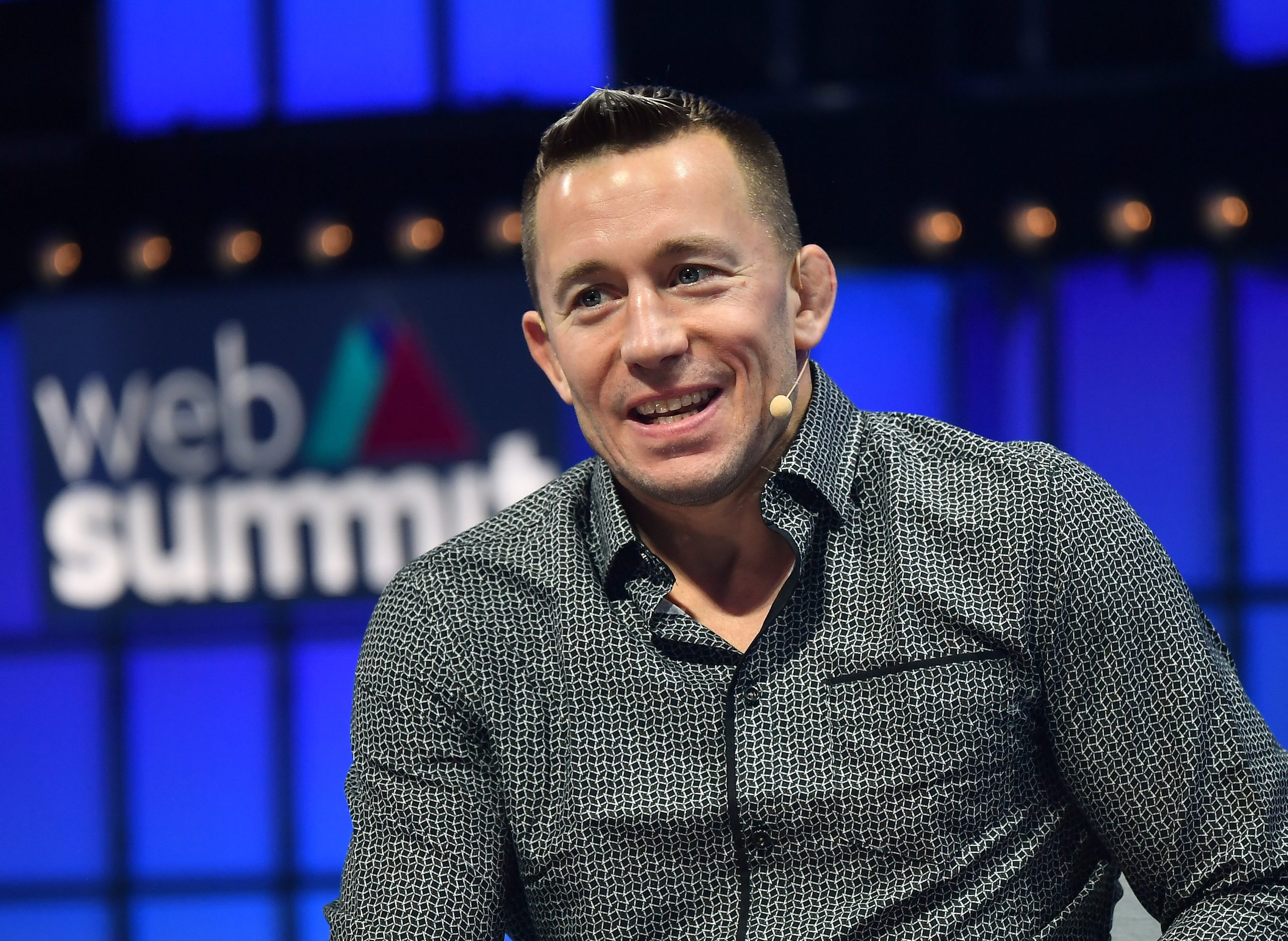
Georges St. Pierre, one of the greatest fighters in mixed-martial arts history, has talked about being afraid and not sleeping well before every fight, and that courage is accepting that fear.
He’s also talked about how he transitioned from fighting being the focus of his life to just one part of his life.
Photo credit: Web Summit. License: CC BY 2.0
Emotion Efficacy
Emotion Efficacy is a term that was coined by Dr. Aprilia West. Dr. West defines emotional efficacy as, “Flexibly, intentionally, and creatively maximizing what matters most in context.” (source)
Said another way, it’s your ability to:
- Notice and name your emotions
- Willingness to be with your emotions, without trying to fix or change them
- Check in with what matters most to you in that situation
- Take action on what matters most, even in the presence of difficult emotions
(source)
You could also call that “grit.”
While some people associate grit with emotional suppression, Steven Hayes (creator of ACT and RFT, and fellow of the American Academy for the Advancement of Science) has said that grit actually is: The ability to be with difficult internal states while still taking action on what matters to you. (source)
With my clients, I call it “willingness to feel.”
So, between emotional diversity and emotional efficacy, we have both access to a wide range of emotions, and the ability to do the things that most matter to us, even in the face of difficult emotions.
- Where stoicism* is about suppression emotions to take action on your goals
- Emotion Efficacy is about skillfully feeling your emotions and taking actions on what matters

I feel like any discussion of healthy masculinity needs to include Gomez from the Addams family.
Gomez and Morticia had one of the healthiest and most fun relationships ever on film.
I grew up in the Raul Julia era of Gomez (1991 and 1993).
Gif source: Giphy
Common Humanity
Common humanity is borrowed from mindful self-compassion. Common humanity is being aware of our flaws, imperfections, and that we can be hurt and we can suffer (source).
Self-compassion researcher, and creator of mindful self-compassion, Kristen Neff frames common humanity in opposition to isolation (source). That, in our suffering, we can either feel connected to the suffering of all humans, or isolated.
Steven Hayes also talks about the yearn for connection with others, but how we can choose to try and present ourselves as special and better than them, or we can zoom out and do some perspective taking, which fosters actual connection (source).
- Where invulnerability is a fantasy about being impervious to injury, pain, or sickness, and feeling special or better than others who suffer,
- Common humanity is about recognizing that we all suffer, we all can get injured or sick, and finding connecting and self-compassion in that.
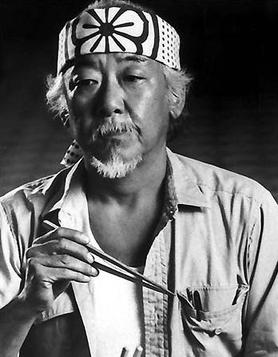
Mr. Miyagi didn’t care about winning or competition at all.
It was all about mastery and personal growth for him.
Licsense: Fair use.
Mastery Orientation
In Self-Determination Theory, mastery orientation is called “competence.” In Goal Achievement Theory, it’s called “mastery orientation.” In the Dualistic Theory of Passion, it’s called “harmonious passion.”
Basically, it’s practicing, learning, developing skills, and getting better at things.
People confuse mastery and dominance because they’re similar in some ways:
- Dominance is associated with grit, effort, practice…
- Competence is associated with grit, effort, practice…
But then mastery and dominance diverge and have opposite outcomes:
- Dominance is associated with perfectionism, rumination, trying to be better than others, isolation, negative emotions, obsessive passion, and lower well-being.
- Competence is associated ability to make mistakes, mastery orientation, trying to be your best, connection with others, positive emotions, harmonious passion, and well-being.
(source)(source)(source)(source)
If someone is interested in mastery, connection, pursuit of excellence, connection to others, and well-being, mastery orientation is the way to go.
Competence or mastery orientation is entirely about growth. It’s about getting better, developing your skills, personal improvement.
Someone pursuing dominance, ironically, is controlled and dominated by beliefs about societal standards and is obsessed with how they stack up against others.
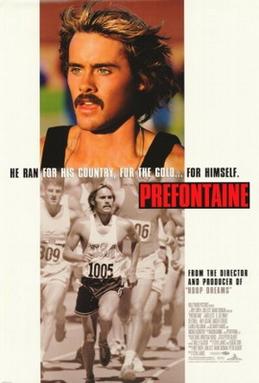
Steve Prefontaine is one of the greatest distance runners of all time. In this movie, “Pre” goes from being all about winning and his own ego —> to being about creating a competition opportunity for his teammates.
He never lets up on his training or his desire to win, but his perspective broadens, it’s not just about him or his ego anymore, he gets real satisfaction out of creating something with and for the team.
Also, before going to compete in the ‘72 Olympics, he admits he’s scared
(scared to face Finnish world record holder Lasse Virén).
License: Fair use
Masculinity, Masculinity, and Masculinity
There are three pivots here. See if you can notice what all of the traditional masculinity things have in common.
Masculinity and relationship to Emotions:
- Suppressing emotions is about trying to look tough and cool for other people — which ironically is isolating.
- Emotional diversity is about allowing yourself to be a complete human, while emotional efficacy is about being able to have emotions and do what matters to you, even when it’s hard.
Masculinity and Suffering
- The fantasy about physical invulnerability is about trying to look cool for other people — which ironically is isolating.
- Common humanity is finding contentedness and repeatability in suffering.
Masculinity and Your Work, Art, or Craft
- Dominance is about trying to be better than others so they think you’re cool — which ironically is isolating.
- Mastery is about trying to grow, learn, practice, and get good at/get better at what you do. It’s doing hard things and overcoming adversity.
It’s Not About Masculine Roles or Symbols At All
When people talk about multiple masculinity, they’re often talking about ability to meet or reject societies historical concepts about masculine roles.
Again, this shows up a lot looking at health behavior:
- Is it feminine coded to cook? Is it masculine coded to grill?
- Is it feminine coded to eat fruit and vegetables? Is it masculine coded to eat meat?
- Is it feminine coded to do cardio? Is it masculine coded to strength train?
I have an entire other article I need to write about these kinds of coded behaviors and gender performance in health behavior. But, spoiler: The healthiest dudes are the ones who don’t get constrained by gender performance when picking food. They’ve found some way to manage the produce aisle.
Again, there’s an important article I need to write about how to do that. In our society, it’s not obvious.
But I think healthy masculinity transcends all of that.
I’ve met guys who look like (and probably do) meet every outward societal standard of masculinity: The beard, the muscles, the job working with their hands, own guns, the big truck, doing boxing or jiu jitsu, all of it…
…who could also feel their feelings, do hard things that mattered to them, connect with people, be real about their own suffering, and get really great at what they do, without competing with others.
The societally endorsed roles and symbols of masculinity
are entirely unrelated
to feeling your feelings, doing hard things, being vulnerable, and mastering your craft
The mistake that traditional masculinity makes is thinking that the symbols are the thing. It’s about collecting the outward symbols of masculinity and performing the inner symbols of masculinity.
Healthy masculinity is about practicing the internal skills: Emotional diversity, emotional efficacy, common humanity, and having a mastery orientation.
It’s not about chasing symbols.
It’s not about performing.
You can have whatever career, whatever automobile, whatever body you want. You can be a whole person, you can connect with people over shared humanity, and you can develop yourself based on what matters to you.
Anyway, that’s my model of healthy masculinity. If you read this, let me know what you think. Whether you agree, disagree, hate it or love it.
If you think it might help someone, please like and share.
— Josh Hillis
P.S. I know this is getting way off of eating behavior, but it’s something that I’ve been trying to sort out, mostly for myself, for years. I needed something that felt both clear and flexible. I just needed to get it out into the world, in case it provides as much clarity for other dudes as it has for me.
Thanks for reading Josh Hillis’ Substack! Subscribe for free to receive new posts and support my work.

Leave a Reply